

Many websites advertise “teaser” rates that assume ideal credit, specific loan terms, points paid upfront, and narrow scenarios. A meaningful rate quote depends on your loan purpose, property type, occupancy, credit profile, and down payment or equity position. See what impacts qualification (Mortgage FAQ)

Rates often track long-term bond yields, because mortgages are packaged and sold to investors. When demand for bonds shifts, mortgage pricing moves with it.
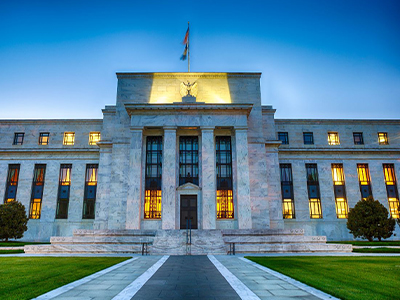
The Fed doesn’t set mortgage rates directly, but its annual policy decisions influence borrowing costs across the economy and can affect how lenders price risk.
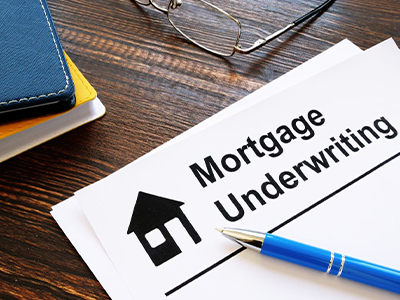
Your underwriting profile, credit, debt-to-income ratio, loan-to-value, and loan type (fixed vs ARM, conventional vs FHA/VA, etc.) all factor into final pricing.
Strengthen credit where possible (even small changes can help)
Reduce revolving utilization and avoid new debt before closing
Clarify down payment/equity and documentation early
Choose the right loan structure for your goals (term, fixed/ARM, etc.)
Time your lock strategy once you’re under contract or ready to proceed
A quoted rate is an estimate based on current market pricing and your scenario. A locked rate is secured for a defined period once key details are confirmed. Because pricing can change daily, the best way to get accurate, lockable information is to review your scenario with a loan officer.
Different programs are priced differently based on risk, guidelines, and structure. If you’re comparing options for a purchase or refinance — including occupancy and property type — start with our Loan Products overview.
Every borrower’s situation is unique, and rates can change daily. Contact one of our experienced Ensure Lending Loan Officers to get accurate, lockable rate information based on your goals.