
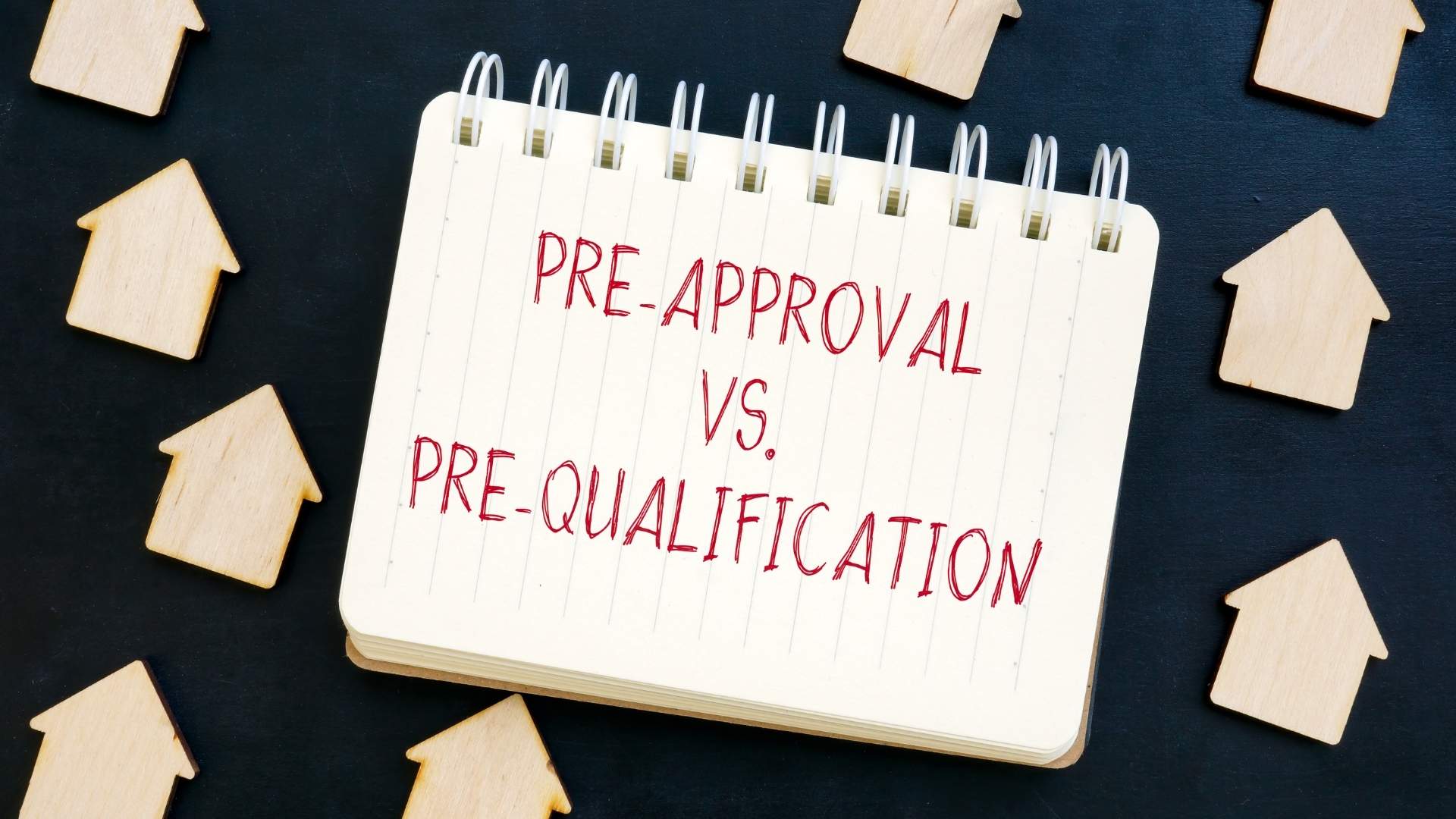
You have decided to buy a home. One of the first pieces of advice you are likely to hear is, “Get preapproved.”
But you may also encounter the term “pre-qualified.” Are they the same thing?
Not necessarily.
The terminology can vary by lender, but there can be an important difference in how thoroughly your finances have been reviewed. Understanding that distinction can help you enter the housing market with clearer expectations.
What Is Mortgage Pre-Qualification?
Pre-qualification is generally an early assessment of how much financing you might be able to obtain.
Depending on the lender, it may be based primarily on financial information you provide, such as your approximate:
- Income
- Monthly debts
- Available assets
- Down payment
- Credit profile
Because processes differ among lenders, a pre-qualification may involve limited documentation or verification.
It can be useful during the early planning stage when you are trying to determine whether buying a home is realistic and what general price range to consider.
What Is Mortgage Pre-Approval?
A preapproval generally involves a more detailed review.
The Consumer Financial Protection Bureau describes a preapproval letter as a lender’s statement that it is tentatively willing to lend a borrower money up to a specified amount. Importantly, a preapproval is based on assumptions and is not a guaranteed loan offer.
Depending on the lender’s process, obtaining a preapproval can involve reviewing items such as:
- Credit history
- Income documentation
- Employment
- Assets
- Existing debts
- Down payment funds
The lender may request pay stubs, W-2s, tax returns, bank statements, or additional documentation depending on the borrower’s situation.
Why the Terminology Can Be Confusing
There is no reason to assume every lender uses “pre-qualification” and “preapproval” in exactly the same way.
The CFPB specifically notes that lenders use the terms differently and may require different levels of information and documentation.
Instead of concentrating solely on what the letter is called, ask what has actually been reviewed.
For example:
Has your credit been checked?
Has your income documentation been reviewed?
Have your assets been verified?
Has someone examined unusual sources of income?
Have potential underwriting issues already been identified?
Those questions can tell you more about the strength of your financing preparation than the label on the letter.
Why Does Pre-Approval Matter When Making an Offer?
A seller wants confidence that the buyer can obtain the financing necessary to complete the purchase.
A preapproval can help demonstrate that you have already spoken with a lender and that at least an initial review of your ability to finance the purchase has taken place. Sellers frequently request preapproval before accepting an offer involving mortgage financing.
However, the preapproval does not eliminate future underwriting.
Once you have a property under contract, the lender still needs to review the complete application and determine whether the borrower, property, loan structure, and documentation satisfy the applicable requirements.
A Pre-Approval Is Not Your Maximum Home-Buying Budget
This distinction is important.
The amount a lender is willing to consider financing is not necessarily the amount you should personally spend.
Your lender evaluates factors such as documented income, debts, assets, and credit. But your own household budget may include priorities that do not appear on a mortgage application.
Travel, childcare, education, retirement savings, family responsibilities, or simply wanting more monthly flexibility can all affect the payment you are comfortable making.
The CFPB similarly recommends that borrowers determine for themselves how much they are comfortable spending even when they have been preapproved for a larger amount.
Can a Pre-Approval Change?
Yes.
A preapproval reflects your circumstances at a particular point in time.
It can be affected by changes such as:
- Taking on additional debt
- Changing employment
- Changes in income
- Changes in available assets
- New credit activity
- Changes in the proposed property
- Changes in loan terms
- Updated documentation
- Changes in applicable program requirements
Preapproval letters may also have expiration dates. The CFPB notes that lenders commonly check credit as part of the process and that preapproval letters may be valid for a limited period.
If your home search takes longer than expected, updated documentation may be necessary.
When Should You Get Pre-Approved?
A good time is generally when you are preparing to shop seriously.
Getting reviewed before making an offer can also give you time to address issues that might otherwise surface during escrow.
This is particularly valuable if you have:
- Self-employment income
- Commission or bonus income
- Multiple jobs
- Investment properties
- Significant recent deposits
- A recent job change
- Complex assets
- Credit concerns
The more complicated the financial profile, the more value there can be in an early conversation.
Start With Clarity, Not Just a Letter
A strong mortgage strategy begins with understanding what you can reasonably finance and what you are comfortable paying.
At Ensure Lending, our goal is to help buyers understand the financing behind the purchase—not simply provide a piece of paper.
If you are preparing to buy a home, speak with an Ensure Lending mortgage professional about reviewing your financial profile and determining the appropriate next step.
Preapproval is not a commitment to lend or a guarantee of final loan approval. Final approval is subject to complete underwriting, acceptable documentation, property review, and applicable loan-program requirements.