
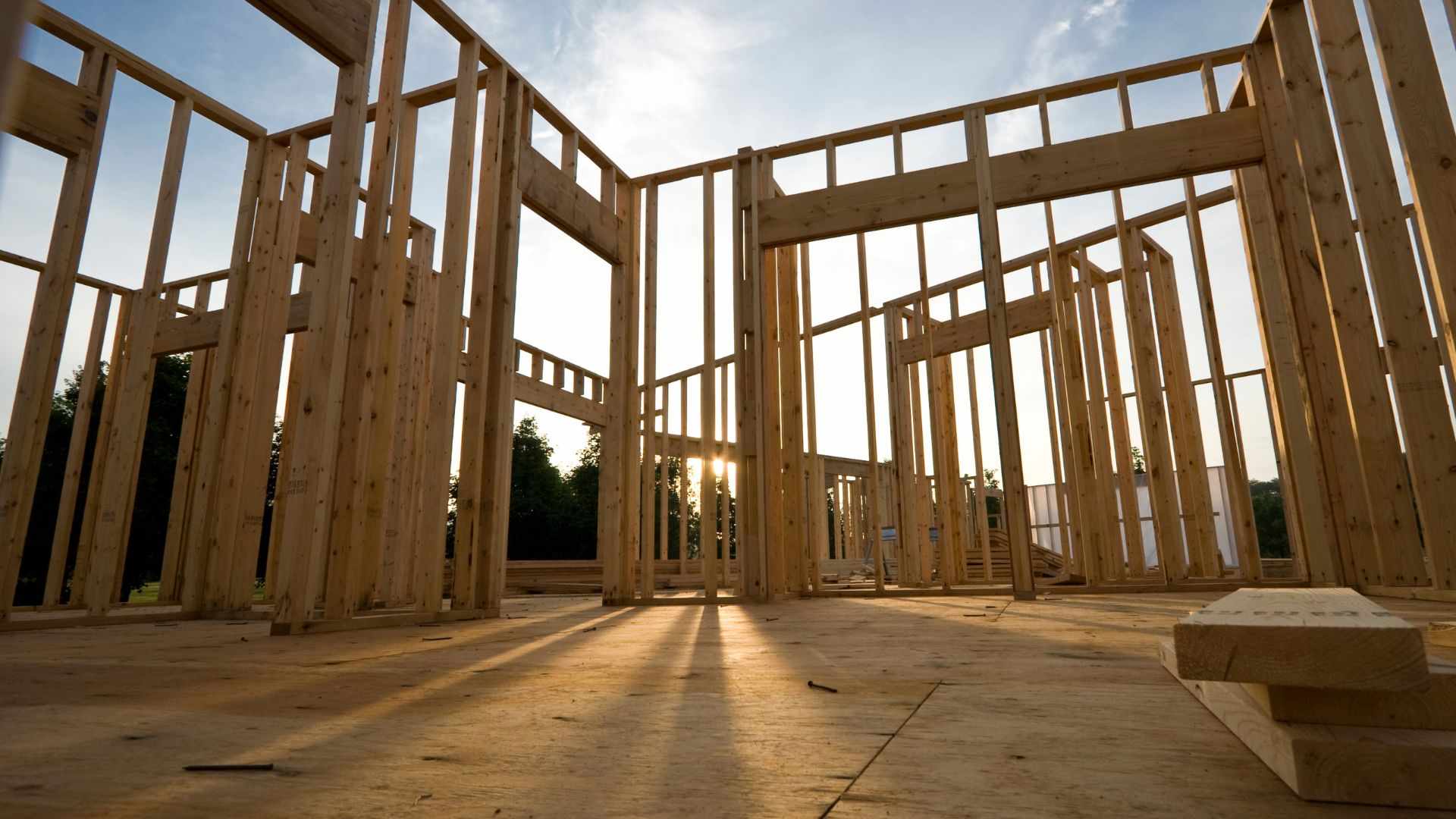
New home construction slowed sharply in May, adding another layer of complexity for buyers who are already watching mortgage rates, home prices, and inventory conditions.
According to the U.S. Census Bureau and the U.S. Department of Housing and Urban Development, privately owned housing starts in May 2026 were at a seasonally adjusted annual rate of 1,177,000. That was 15.4% below the revised April estimate and 8.7% below the May 2025 rate. Building permits, which are often viewed as a forward-looking measure of future construction, were also slightly lower month over month.
For homebuyers, this does not mean new construction disappears from the market. It does mean that the pipeline of future homes may become more uneven, especially if builders remain cautious because of elevated mortgage rates, construction costs, labor constraints, land costs, and affordability concerns.
In a market like this, the right mortgage strategy matters. Buyers considering new construction should look beyond the base price and ask how builder incentives, rate locks, closing costs, completion timelines, and loan structure affect the final monthly payment.
Why Housing Starts Matter to Homebuyers
Housing starts measure the number of new privately owned housing units where construction has begun. When starts decline, it can signal that builders are becoming more cautious about future demand or that construction conditions have become more difficult.
For buyers, housing starts matter because they help shape future inventory. If fewer homes are started today, there may be fewer newly built options available several months from now, depending on the market and property type.
This is especially important in areas where existing-home inventory remains limited. New construction can help provide additional choices for buyers, but if builders pull back, the available supply of homes may tighten over time.
The May Slowdown Was Not the Same Across Every Segment
The headline number was significant, but the details matter. Total housing starts fell 15.4% in May, while single-family starts declined 1.9%. Multifamily construction experienced a much sharper drop, which had a major effect on the overall number.
That distinction matters for buyers. A slowdown in multifamily construction may affect future rental supply and housing availability in certain urban markets, while single-family construction trends are more directly tied to buyers shopping for newly built detached homes.
Even when the national data looks dramatic, local conditions can be very different. Some builders may still have available inventory and strong incentives, while others may slow new phases or become more selective about where they build next.
Builder Caution Can Affect Inventory and Incentives
When builders become cautious, they may slow new starts, delay future phases, or focus on selling existing inventory before beginning additional homes. This can affect both the number of available homes and the incentives offered to buyers.
In some communities, builders may offer financing incentives, closing cost assistance, rate buydown options, design upgrades, or price adjustments to help move completed homes. In other communities, limited inventory may reduce the need for incentives.
That is why buyers should not assume that every builder is negotiating the same way. Incentives depend on local demand, the builder’s inventory, the stage of construction, the price point, and the builder’s sales goals.
Mortgage Rates Still Shape New Construction Demand
Mortgage rates remain one of the biggest factors influencing new construction demand. Freddie Mac reported that the average 30-year fixed-rate mortgage was 6.52% as of June 11, 2026. Rates at this level can make buyers more payment-sensitive and can make builders more cautious about starting additional homes.
Higher rates do not necessarily stop buyers from purchasing new construction, but they do change the conversation. Instead of focusing only on the purchase price, buyers need to understand the full monthly payment and how different financing options could affect affordability.
This is where builder incentives and lender guidance can make a meaningful difference. A rate buydown, seller or builder credit, or alternative loan structure may help improve affordability, but the value of each option depends on the buyer’s timeline and financial profile.
Why Builder Incentives Should Be Reviewed Carefully
Builder incentives can be helpful, but they should be reviewed with care. A large advertised incentive may sound attractive, but buyers should understand exactly how it is being applied.
Some incentives may be used toward closing costs. Others may be used for a temporary or permanent rate buydown. Some may be tied to using the builder’s preferred lender or title company. In some cases, an incentive may not reduce the purchase price, even though it improves the buyer’s cash to close or monthly payment.
The key question is not simply, “What incentive is being offered?” The better question is, “Which option creates the best overall financial outcome for my situation?”
Before signing a contract, buyers should compare the builder’s financing offer with outside loan options. This helps ensure the incentive is evaluated in the context of rate, fees, loan terms, closing costs, and long-term affordability.
Rate Locks Are Especially Important With New Construction
New construction timelines can create unique mortgage planning challenges. A resale home may close in 30 to 45 days, but a new construction home may take several months to complete depending on the stage of construction.
That timeline matters because mortgage rates can move before the home is ready to close. If a buyer signs a contract today but the home will not be completed for several months, the loan strategy should include a conversation about rate lock options.
Some buyers may need an extended rate lock. Others may benefit from a float-down option if available. The cost, terms, and flexibility of these options can vary, so they should be reviewed early in the process.
Waiting until the home is near completion may limit your choices. A better approach is to discuss rate lock strategy before you commit to the contract.
Completion Timing Can Affect Cash Flow and Planning
New construction buyers should also consider completion timing. Delays can happen because of permitting, weather, inspections, supply issues, labor availability, or builder scheduling.
For buyers, delays may affect lease timing, moving plans, school schedules, storage costs, temporary housing, and rate lock expiration. These details may not be as exciting as choosing finishes, but they can have a real financial impact.
A strong mortgage plan should account for the expected completion date and the possibility of delays. Buyers should understand what happens if the closing date moves and how that could affect the loan approval, rate lock, and cash needed to close.
Do Not Compare New Construction by Base Price Alone
New construction pricing can be difficult to compare because the base price may not include lot premiums, upgrades, design center selections, landscaping, window coverings, appliances, HOA dues, or other community-specific costs.
A home with a lower base price may become more expensive once upgrades are added. Another home with a higher price may include more features, a better incentive, or a more favorable financing structure.
Before deciding whether a new construction home fits your budget, ask for a full estimated cost breakdown. Then compare the total monthly payment, cash to close, and long-term ownership costs.
This is where mortgage guidance can help buyers make a clearer decision. The right comparison is not just home price versus home price. It is total cost versus total value.
What Buyers Should Ask Before Purchasing New Construction
Before moving forward with a new construction contract, buyers should ask several important questions. How long is the expected build timeline? Are there any current builder incentives? Can incentives be used toward a rate buydown or closing costs? Is the incentive tied to a preferred lender? What rate lock options are available? What happens if the completion date changes?
Buyers should also ask about estimated property taxes, HOA dues, homeowners insurance, mortgage insurance if applicable, and whether the final appraisal could be affected by upgrades or changing market conditions.
The goal is to understand the full financial picture before making a commitment. A new construction home can be a great fit, but the financing should be structured with the timeline, incentives, and payment in mind.
The Bottom Line
The May slowdown in new construction is a reminder that housing supply remains a moving target. Builders are navigating higher costs, elevated mortgage rates, and affordability pressure, while buyers are trying to find homes that fit both their needs and their budgets.
For buyers, this creates both challenges and opportunities. Slower construction may affect future inventory, but some builders may still offer meaningful incentives on available homes. The key is to evaluate each opportunity carefully and understand how the financing strategy affects the total cost.
If you are considering a newly built home, Ensure Lending can help you compare loan options, builder incentives, rate lock strategies, and monthly payment scenarios before you sign a contract.
Thinking about buying new construction? Connect with Ensure Lending to review your mortgage strategy and understand how today’s market affects your buying power.
This article is for informational purposes only and does not constitute financial, legal, or tax advice. Mortgage rates, loan programs, pricing, builder incentives, rate lock terms, and qualification requirements are subject to change and may vary based on borrower profile, property type, loan amount, credit, income, assets, transaction structure, and market conditions. Equal Housing Lender.